

Advertisement
30 Things That Were Totally Normal in the 1970s But Not Today
The TriviaTalent Team · 8 min read
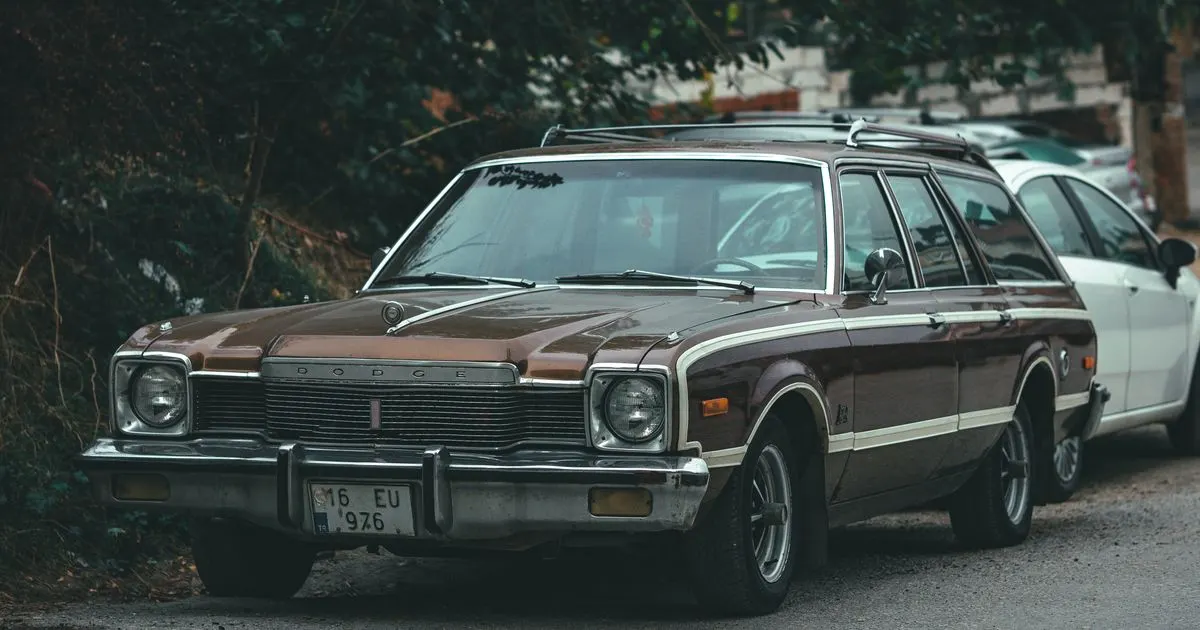
Think back to an ordinary afternoon in 1974. The car has no seatbelts fastened, the ashtray on the dashboard is full, and the kids are rattling around the back of the station wagon as Dad lights another cigarette at the wheel. Nobody frowns. This is simply how the day goes.
So much of what felt perfectly normal back then would stop a room cold today. Not gadgets that wore out, but everyday habits and rules we all lived by. Here are 30 things that were completely ordinary in the 1970s and would raise more than a few eyebrows now.
1. Smoking just about everywhere
People lit up in offices, restaurants, waiting rooms, even hospitals and airplanes. A haze hung over the bowling alley and the break room, and asking someone to put it out would have seemed downright rude. Smoking wasn’t banned on most domestic flights until 1988, and on nearly all of them only by 1990.
2. Smoking and non-smoking sections
Restaurants solved the problem by seating you in “smoking” or “non-smoking” — often just a row or two apart in the same open room. The smoke, of course, never read the sign, and it drifted happily across the divide.
3. Cigarette ads had just vanished from TV
For years, cheerful commercials had sold cigarettes right alongside cereal and cars. The ban took effect on January 2, 1971, so for most of the decade grown-ups still remembered the jingles by heart, even as the ads disappeared from the screen.
4. Kids loose in the car, no seatbelts, no car seats
Children stood on the front seat, stretched out in the back, or perched on Dad’s lap to “steer.” Belts went unbuckled, and babies rode in a parent’s arms. The first state seatbelt law didn’t arrive until New York’s in 1984.
5. Riding in the “way back” of the station wagon
The rear-facing jump seat was the prize spot, and kids waved at the drivers behind them through the tailgate window. There was nothing between them and the road but a sheet of glass.
6. Piling into the bed of a pickup truck
Heading to the lake or the fireworks meant climbing into the open truck bed and hanging on. The wind in your hair was half the fun, and no one gave the danger a second thought.
7. Lawn darts in the backyard
Families spent summer evenings tossing Jarts — heavy darts with real metal spikes — across the grass toward a ring. After a string of injuries and deaths, the United States banned them outright in 1988.
8. Hitchhiking to get around
Sticking out a thumb on the roadside was an everyday way to travel, for students, soldiers and wanderers alike. Plenty of drivers thought nothing of pulling over for a stranger.
9. Gone till the streetlights came on
Children left after breakfast on a summer morning and roamed the neighborhood for hours — no cell phone, no way to check in. The rule was simple: be home when the streetlights flickered on.
10. Buying a beer at 18
In much of the country, the legal drinking age was 18, and a high-school senior could legally order one. That changed after the National Minimum Drinking Age Act of 1984 pushed every state up to 21.
11. A casual attitude toward drinking and driving
“One for the road” was an actual phrase people used. Attitudes only began to shift hard after Mothers Against Drunk Driving was founded in 1980 and turned a tragedy into a national movement.
12. Riding a bike with no helmet
Kids pedaled all over town bare-headed, often with a friend balanced on the handlebars. A bicycle helmet was a thing bike racers wore, not something any ordinary child owned.
Advertisement
13. The paddle in the principal’s office
A swat with a wooden paddle was a normal punishment at school, and parents generally backed it. In 1977 the Supreme Court ruled in Ingraham v. Wright that school paddling was constitutional, and it remains legal in a handful of states today.
14. Walking your family right to the airport gate
You could stroll with your loved ones all the way to the gate and wave them onto the plane, then stand there to greet them when they landed. That open access ended with the security changes after September 11, 2001.
15. Dressing up to fly
Air travel still felt like an occasion. Men wore jackets, women wore their good dresses, and children were scrubbed and combed. Flying was something you looked your best for.
16. Pumping leaded gasoline
The “regular” at the pump was leaded, and the fumes drifted over every filling station. The country spent decades phasing it out, and leaded fuel wasn’t fully banned for ordinary cars until 1996.
17. Baking in the sun with baby oil
A deep tan meant health and good looks, so people stretched out for hours slicked in baby oil, sometimes with a foil reflector. Sunscreen, when it was used at all, was mostly to help you tan longer, not to keep you safe.
18. Chasing the mosquito-fogging truck
On summer nights the fogging truck rolled down the street in a thick white cloud of pesticide, and children ran behind it through the mist for fun. DDT, the most notorious of those chemicals, was banned in the United States in 1972.
19. Drinking straight from the garden hose
Thirsty kids didn’t go inside for water — they grabbed the backyard hose, let the warm water run cool, and drank their fill. Nobody worried about what the hose was made of.
20. Playgrounds of steel and blacktop
The slide was a towering sheet of metal that scorched the backs of your legs in July, the monkey bars stood over hard asphalt, and the merry-go-round spun as fast as anyone could push it. Soft rubber matting was years away.
21. Latchkey kids
With both parents often at work, plenty of children let themselves into an empty house after school, a key on a string around the neck, and looked after themselves until supper. It was simply expected.
Advertisement
22. Little caution for mothers-to-be
Expectant mothers were rarely warned off a cigarette or a cocktail, and many doctors didn’t raise the subject at all. The term “fetal alcohol syndrome” was only coined in 1973, and the warnings we take for granted came later.
23. Answering the phone blind
The telephone rang and you simply picked it up, with no idea who was on the other end. There was no caller ID, no screening — just “Hello?” and whoever happened to be calling.
24. Party lines and nosy neighbors
Many households still shared a telephone line with other families. You might lift the receiver to find the neighbors mid-conversation — and they could just as easily listen in on yours.
25. Paying with cash or a check
At the grocery checkout, people counted out bills or wrote a personal check while the line waited patiently behind them. There were no debit cards to swipe and no tapping a phone.
26. The whole block raised the kids
A neighbor who caught you misbehaving felt perfectly entitled to scold you, and might march you home to your parents, who would side with the neighbor. Correcting someone else’s child was just being a good grown-up.
27. “Seen and not heard”
Children were expected to stay quiet around adults and do as they were told, and a swat for talking back was routine. The idea that a child’s opinion belonged in a grown-up conversation would have puzzled a lot of parents.
28. Living with lead and asbestos
The paint on the walls and windowsills often contained lead, and asbestos turned up in ceilings, floor tiles and insulation. Hardly anyone gave it a thought. Lead-based paint wasn’t banned from American homes until 1978.
29. Trick-or-treating alone, eating homemade treats
Kids ranged across the neighborhood after dark without a parent in sight, pillowcases filling with candy — and with popcorn balls and caramel apples from neighbors they knew. Checking every wrapper came later.
30. Talking trucker slang on the CB radio
For a stretch of the decade, citizens-band radio was a full-blown craze. Ordinary drivers bought a CB, picked a “handle,” and chattered in trucker slang — “breaker one-nine, what’s your twenty?” — to strangers up and down the highway.
None of this felt reckless at the time. It was simply the water everyone swam in — the ordinary shape of a 1970s day. Some of it we gave up gladly once we knew better, and some of it we still miss, the way you miss the freedom of a long summer afternoon with nowhere you had to be.
Frequently asked questions
Were people really allowed to smoke on airplanes?
Yes. Flights had smoking and non-smoking sections, and the smoke drifted through the whole cabin. The United States didn’t ban smoking on most short domestic flights until 1988, extended the ban to nearly all domestic flights by 1990, and reached virtually every flight only in 2000.
When did seatbelts become mandatory?
Cars had belts for years, but using them was voluntary and widely ignored. New York became the first state to require adult seatbelt use, effective in 1984, and the other states followed over the next several years. Tennessee had led the way on children in 1978 with the first child car-seat law.
What other 1970s habits have faded away?
Plenty — from the everyday objects we’ve set aside to the backyard risks kids once took for granted. See our look at things from the ’70s you don’t see anymore and the things kids did in the 1960s that would be illegal today.
Sources
- Public Health Cigarette Smoking Act — Wikipedia
- Seat belt laws in the United States — Wikipedia
- School corporal punishment in the United States — Wikipedia
Remember the ’70s? Play our nostalgia trivia quizzes and see how much of the decade you can still call up.
Think you remember it all? Put your memory to the test:
 Geography
?10 Questions
Global Cash: A Currency Geography Quiz
Try QuizAdvertisement