

Advertisement
How Much Everyday Things Cost in the 1950s (Gas, Milk, a New House)
The TriviaTalent Team · 6 min read
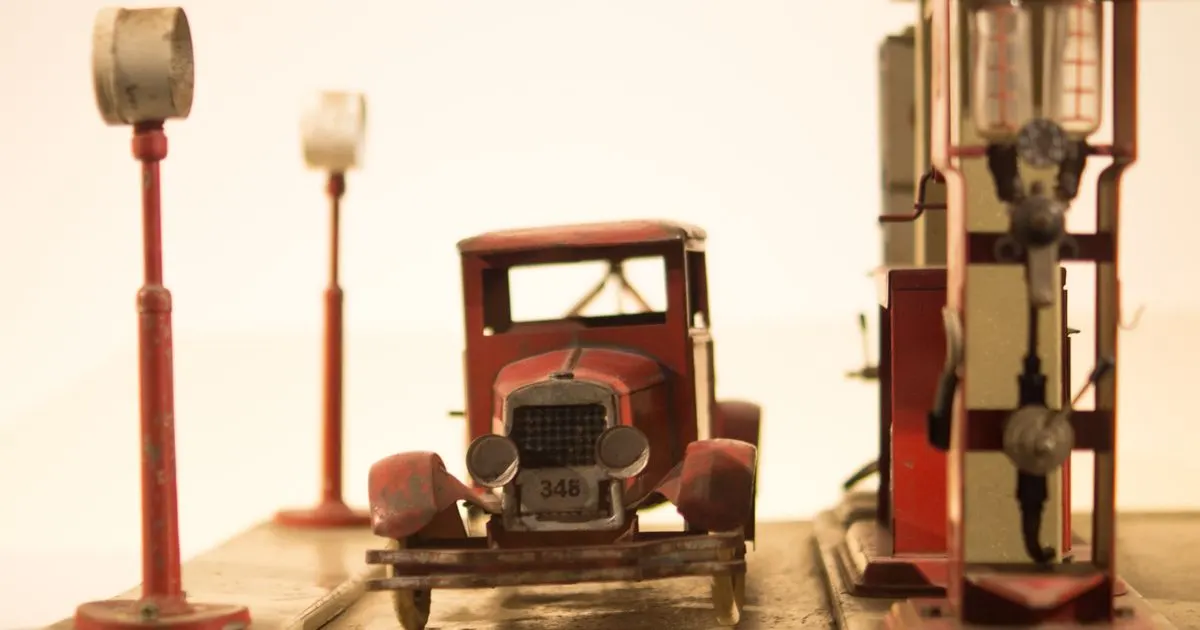
You push open the screen door with a single dollar bill folded in your pocket, and somehow that one dollar feels like it can do almost anything. The bell over the shop jingles. The man behind the counter knows your name and your mother’s name, and the prices are marked in pencil on little paper tags.
It is easy to wave off “back in my day” talk — until you actually line the numbers up. Here is what everyday things really cost in the 1950s, from a gallon of gas to a brand-new house. Keep in mind that many a working man brought home around sixty dollars a week, and the arithmetic starts to feel very different.
1. A gallon of gas: about 27 cents
You pulled up to the pump, an attendant trotted out, and he filled the tank, checked your oil and wiped the windshield while you sat still. A gallon ran about twenty-seven cents, so a dollar and a little change bought enough to chase the horizon all Sunday afternoon.
2. A loaf of bread: around 14 cents
A fresh loaf cost roughly fourteen cents. You could set a dime and a few pennies on the counter and carry home the bread for supper without a second thought.
3. A gallon of milk: about 83 cents
More often than not you didn’t buy milk at the store at all — the milkman left it on the porch in cold glass bottles, the cream risen to the top. A gallon came to around eighty-three cents, and you set the rinsed empties back out for him to collect.
4. A dozen eggs: about 60 cents
Sixty cents or so filled the egg carton, enough for a week of breakfasts with a few left over for Sunday’s cake. Eggs, milk and bread together still left change from a dollar and a half.
5. A pound of ground beef: around 50 cents
The butcher wrapped a pound of fresh-ground beef in white paper for about fifty cents. That was meatloaf for the whole table, or a stack of patties for the first warm night at the grill.
6. A pound of coffee: about 70 cents
A pound of ground coffee ran around seventy cents, enough to percolate a month of mornings. And if you took your cup at the diner counter instead, a refill was a nickel or a dime — bottomless, with a slice of pie if you were feeling flush.
7. A bottle of Coca-Cola: a nickel
For one nickel, the machine dropped a cold six-and-a-half-ounce bottle into your hand. Coca-Cola held that five-cent price for an astonishing stretch — from 1886 all the way to the end of the 1950s — partly because the vending machines of the day were built to take only a single nickel.
8. A first-class stamp: 3 cents
A letter crossed the entire country for three cents. That three-cent stamp held steady for years, right up until August 1, 1958, when it finally climbed to four. For a good while, a penny postcard really did cost a penny.
9. A night at the movies: about 45 to 50 cents
Roughly half a dollar got you through the door, and for that you often caught two features, a newsreel, a cartoon and maybe a serial. A small bag of popcorn, a cold Coke, and you could make an entire evening disappear in the dark.
Advertisement
10. A new television set: a few hundred dollars
The television was the big splurge, the thing the neighbors came over to watch. A plain table model started around one hundred seventy to two hundred dollars; a handsome wooden console, the kind that anchored the living room, could run several hundred more. For many families it was the costliest thing in the house after the car.
11. A new car: about $1,510
The average new car cost around fifteen hundred dollars — chrome, fins, bench seats and all. That was close to half a year’s wages, which is exactly why a man kept his car washed in the driveway and running for a good ten years.
12. A new house: around $7,400
The typical American home was valued at about seventy-three hundred fifty dollars. Picture a three-bedroom with a yard in a brand-new subdivision, the monthly payment smaller than many a modern car note. For millions of young families just starting out, that house was the whole point of the dream.
13. An hour of work: 75 cents
The federal minimum wage was seventy-five cents an hour at the start of the decade, and it rose to a full dollar in 1956. An honest day covered the groceries with enough left for a movie and a Coke — and that balance is the thing people really remember.
14. A year’s pay: around $3,300
The typical family brought home somewhere around thirty-three hundred dollars a year. Set that beside a seven-thousand-dollar house and a fifteen-hundred-dollar car, and you can see how a single paycheck, spent carefully, stretched to cover a family of four.
Frequently asked questions
Were things really cheaper in the 1950s, or does it just feel that way?
Both can be true at once. The numbers look tiny by today’s standards, but so were the paychecks — around sixty dollars a week for a great many people. What sticks in memory is the balance: one income could carry a house, a car and a comfortable life, and that is the part worth being nostalgic about.
Why did a bottle of Coke cost a nickel for so long?
Partly habit, partly hardware. Coca-Cola advertised the five-cent price so widely that customers simply came to expect it, and the vending machines of the day were built to take one nickel. Jumping to a dime meant doubling the price overnight, so the company held the line until the late 1950s.
How far did a single dollar go back then?
Quite far. A dollar could cover a loaf of bread, a quart of milk, a stamp and a Coke, and still leave change for the bus. For more of that world, wander through our things from the 1950s you just don’t see anymore, or test your memory with our 1950s trivia questions and answers.
Where do these prices come from?
The figures here are averages drawn from the reputable sources listed below; real prices varied by year, region and store.
Sources
- Fixed price of Coca-Cola from 1886 to 1959 — Wikipedia
- History of United States postage rates — Wikipedia
- Minimum wage in the United States — Wikipedia
Remember these days? Play our trivia quizzes and take a stroll back through the decade a single dollar could carry you across.
Think you remember it all? Put your memory to the test:
 General
?10 Questions
Deserts of the World Trivia Challenge
Try QuizAdvertisement