

Advertisement
20 Things From 1970s Grocery Stores You Never See Anymore
The TriviaTalent Team · 7 min read
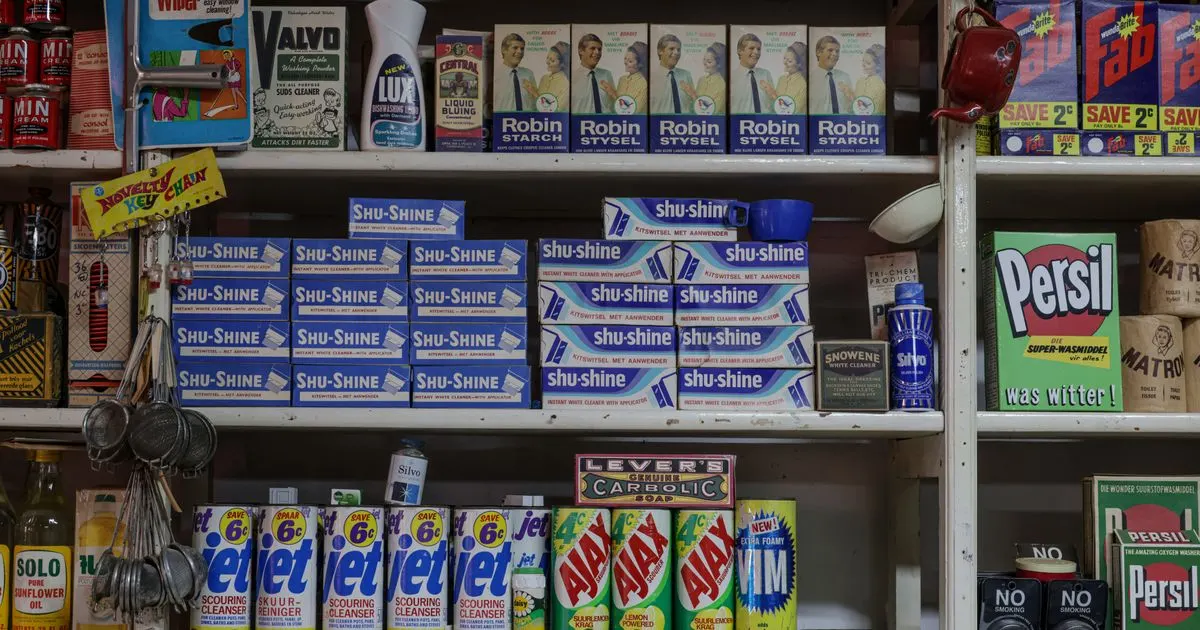
Push the heavy glass door open and the smell hits you first — floor wax, butcher’s paper, the sweet dust of the candy aisle. A radio plays low behind the service counter. Somewhere a price gun goes ka-chunk, stamping purple ink onto a can of peas.
The weekly trip to the grocery store was its own little outing in the 1970s, and a surprising amount of it has quietly gone away. Here are 20 things you’d have seen on nearly every trip back then that have all but vanished from the aisles today.
1. Trading stamps you pasted into a book
At the register the clerk tore off a strip of S&H Green Stamps — so many for every dollar you spent — and you licked them into little booklets at the kitchen table. Sperry & Hutchinson had been handing them out since 1896, and by the 1960s their catalog was said to be the largest single publication in the country.
2. A price stamped on every single can
There were no scanners. A stock clerk ran a handheld gun down the shelf, inking a price right onto each box and can, and the checker read every one by eye. The first grocery item ever rung up by barcode — a ten-pack of Wrigley’s Juicy Fruit gum — wasn’t scanned until June 1974, at a Marsh supermarket in Troy, Ohio, and it took years to reach the rest of us.
3. Glass pop bottles you brought back for the deposit
Soda came in heavy returnable glass, and you paid a few cents’ deposit on each one. You lugged the empties back in their cardboard carrier and collected your coins at the counter. Oregon passed the country’s first “bottle bill” in 1971, putting a nickel on every bottle, and the clink of returns was part of the trip.
4. The redemption center where stamps became a toaster
Once your books were full, you drove to a redemption center and traded them in for a lamp, a mixer, or a fishing rod from the catalog. Working out how many books a new toaster would cost was half the fun of saving them.
5. The butcher who cut it to order
Meat didn’t come shrink-wrapped on a foam tray. You told the man behind the glass case what you wanted, and he cut it, weighed it, wrapped it in white paper, and marked the price in grease pencil. If you needed something special for Sunday dinner, he’d set it aside with your name on it.
6. The bag boy who walked it to your car
A teenager in an apron packed your groceries into brown paper sacks, then rolled the cart out to the lot and loaded the trunk for you — no tip expected, just a “thank you, ma’am.” For many a kid in town, it was the very first paycheck.
7. The register that rang up by hand
The checker’s fingers flew over big mechanical keys, and each price landed with a satisfying ka-ching as the drawer sprang open. She knew the produce by heart, and she counted your change back into your hand out loud, coin by coin, every time.
8. Space Food Sticks
Pillsbury had helped NASA make food for the astronauts, and they sold a chewy, rod-shaped version to the rest of us as a “nutritionally balanced between-meal snack.” Kids tore into the peanut-butter and chocolate ones and felt, for a minute, like they were eating lunch up on the moon.
9. Tang, the drink the astronauts took up
That bright-orange powder you spooned into a pitcher of water was a General Foods invention from the 1950s that hardly anyone wanted — until John Glenn drank it in orbit in 1962. After that, the jar on your kitchen counter carried a little of the space program home with it.
10. Pop Rocks that crackled on your tongue
General Foods put this fizzing candy on shelves in 1975, and it snapped and popped in your mouth like tiny firecrackers. A wild rumor that it could make your stomach burst spread so far that the company took out newspaper ads and wrote letters to school principals just to calm everyone down.
11. Jiffy Pop you shook over the burner
Before the microwave, popcorn was an event. You set the little foil pan on the stove, held the handle, and shook it in slow circles while the dome of foil swelled up and up. Frederick Mennen of Indiana dreamed it up in 1958, and watching it rise was nearly as good as eating it.
Advertisement
12. The diet sodas that changed their taste
If you drank Tab, you noticed it tasted different after 1969, when the government pulled the sweetener cyclamate off the market and the makers switched over to saccharin. For years that slim pink can was the diet drink, long before the ones we reach for now.
13. The TV dinner in its foil tray
Swanson’s frozen dinner came in a three-part aluminum tray — turkey in one well, potatoes in another, a little cobbler in the corner — and you slid the whole thing into the oven, foil and all. The microwave-safe plastic tray didn’t replace the foil one until 1986.
14. Hamburger Helper, when beef got dear
General Mills rolled this boxed skillet supper out across the country in 1971, just as beef prices were climbing and families were looking to stretch a single pound of ground chuck into a meal. Within its first year, better than one household in four had a box in the cupboard.
15. Shake ’n Bake, “and I helped!”
You dropped the chicken into a bag of seasoned crumbs, gave it a good shake, and baked it crisp — no pan of spitting grease. General Foods brought it out in 1965, and the commercials, with a child chirping “and I helped!” in a sweet drawl, ran for years and years.
16. Funny Face drink mix
Pillsbury’s answer to Kool-Aid arrived in 1964, with cartoon characters like Goofy Grape and Freckle Face Strawberry grinning off the packet. A couple of the original flavor names were rightly dropped over the years for being offensive, but those goofy faces stuck in every kid’s memory.
17. Milk in returnable glass bottles
The dairy case still held heavy glass bottles with a collar of cream resting at the top, and in a lot of towns the milkman was only just fading from the scene. You rinsed the empties and set them back out, and the waxed cardboard carton slowly took over.
18. Brown paper sacks, double-bagged
Everything went home in brown paper — no plastic in sight. The sacks stood up straight in the trunk, got double-bagged when the load was heavy, and lived a second life as book covers and the kids’ rainy-day drawing paper.
19. The cigarette machine by the door
Near the entrance stood a tall vending machine where a pack dropped out for a handful of coins and a pull of the knob. Nobody thought twice about it, and whole cartons were stacked right out in the open beside the registers.
20. The doors shut on Sunday
In plenty of towns the grocery simply didn’t open on a Sunday, so Saturday’s shopping had to carry the family clear through the weekend. A store open around the clock, every day of the year, was still a long way off.
Frequently asked questions
Why did trading stamps disappear?
They cost the stores money, and when the recessions of the 1970s squeezed everyone, supermarkets began competing on lower prices instead of giveaways. Once a few big chains stopped handing out stamps, the rest followed, and the redemption centers closed their doors for good.
What was the first thing ever scanned with a barcode?
A ten-pack of Wrigley’s Juicy Fruit gum, rung up at a Marsh supermarket in Troy, Ohio, on the morning of June 26, 1974. Scanners spread slowly after that, which is why clerks kept stamping prices onto cans well into the decade.
Where can I find more memories like these?
If this walk down the aisle stirred things up, you’ll enjoy our look at things from the ’70s you don’t see anymore and the department stores you shopped at that no longer exist.
Sources
Remember these? Play our trivia quizzes and spend an afternoon back in the aisles you grew up with.
Think you remember it all? Put your memory to the test:
 General
?10 Questions
World Waterfalls Geography Quiz
Try QuizAdvertisement