

Advertisement
15 Easy Trivia Games for Nursing Home Residents (With Printable Questions)
The TriviaTalent Team · 6 min read
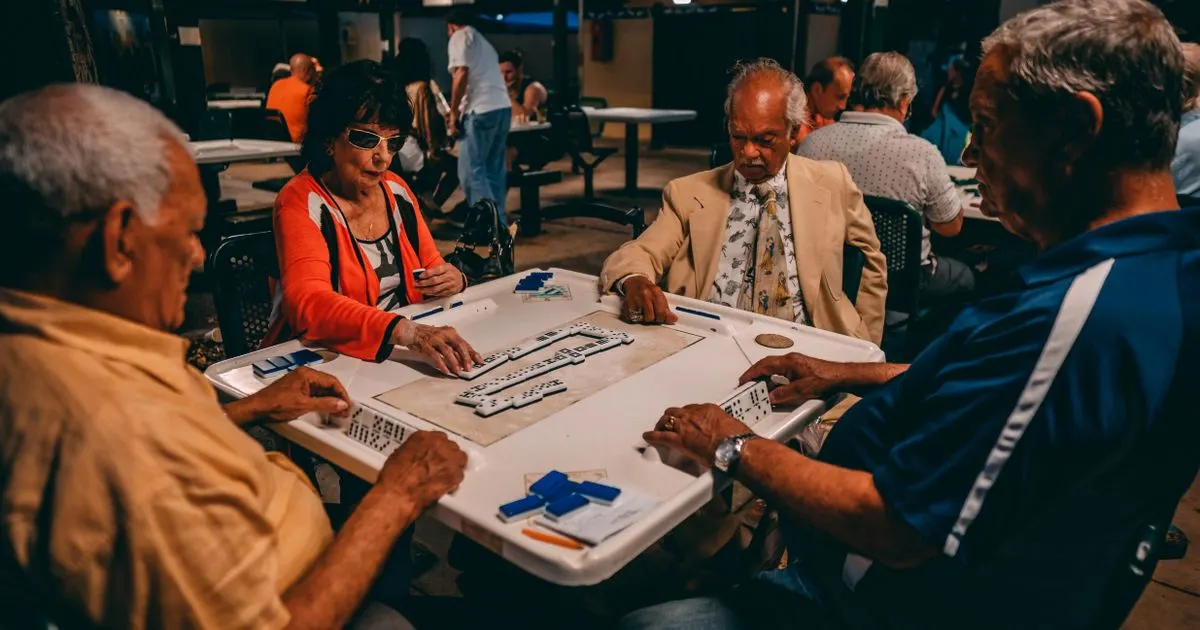
The chairs are pulled into a loose circle, the coffee is poured, and someone is already saying they’re no good at this sort of thing. Then you read the first question — something easy, something from a long time ago — and a hand goes up before you’ve finished asking. A moment later the whole room is calling out answers, correcting each other, laughing at a memory that just floated up out of nowhere.
That is what a good trivia hour does. It isn’t really about the score. It’s about the spark of recognition, the story that follows the answer, the quiet resident who suddenly has something to say. Here are fifteen easy trivia games you can run in a care home, day room or around a kitchen table — each with a sample question you can read aloud or print out and hand round.
1. Name That Tune
Hum a few bars, play a short clip, or simply read out a famous opening line and let everyone guess the song. Music reaches memories that words sometimes can’t, and you’ll often get the whole next verse sung back to you. Try this: “You ain’t nothin’ but a hound dog” opens which 1956 Elvis Presley hit? (Answer: “Hound Dog.”)
2. Finish the Famous Saying
Read the first half of an old proverb and pause. These well-worn phrases are stored so deeply that people who struggle to recall this morning’s breakfast will finish them without missing a beat. Try this: “A penny saved is a penny …” (Answer: earned.)
3. Travel Back a Decade
Pick a single decade — the 1950s, say, or the 1960s — and build a short round around it. Keeping to one era helps people settle into the right corner of their memory. Try this: Which sporty car did Ford introduce in 1964 that became an instant sensation? (Answer: the Ford Mustang.)
4. Picture This
Hold up a photograph or, better still, a real object from years gone by — a washboard, a glass milk bottle, a rotary telephone — and ask what it is and what it was for. The object does half the work, and the stories do the rest. Try this: Show a hand eggbeater and ask who remembers using one before the electric mixer came along.
5. True or False
Short, friendly, and forgiving — a fifty-fifty chance means no one feels put on the spot. It’s a gentle way to warm up a group before the harder questions. Try this: True or false — the Slinky was invented by accident by a mechanical engineer. (Answer: true.)
6. Multiple Choice
Offering three or four options turns a blank wall into an open door. Seeing the right answer among the choices can jog a memory that wouldn’t come on its own. Try this: Which of these was NOT one of the Three Stooges — Moe, Larry, Curly, or Fred? (Answer: Fred.)
7. The Price Was Right
Ask what everyday things used to cost, and watch the gasps and the arguments begin. Everyone remembers prices, and everyone is sure they remember them best. Try this: About how much did a gallon of gasoline cost in the United States in 1965 — 31 cents, 75 cents, or a dollar? (Answer: about 31 cents.)
8. Name the Movie Star
Read a nickname, a famous role, or a line of dialogue, and let the room put a face to it. The silver-screen idols of the 1940s and ’50s are old friends to this audience. Try this: Which rugged leading man of the Westerns was known to everyone simply as “The Duke”? (Answer: John Wayne.)
9. Classic TV Catchphrases
Television was a shared living room for a whole generation, and its catchphrases still land. Read one out and ask for the show or the character who said it. Try this: “To the moon, Alice!” was the blustering promise of which Brooklyn bus driver? (Answer: Ralph Kramden, from The Honeymooners.)
Advertisement
10. Jingles and Slogans
Advertising burrowed its way into memory with a tune and a rhyme, and those jingles never quite leave. Start the slogan and let the room finish it. Try this: “Good to the last …” (Answer: drop — the old Maxwell House coffee line.)
11. Famous Pairs
Name one half of a famous duo and ask for the other. Couples, comedy teams and singing partners are easy to picture and fun to call out together. Try this: The singing cowboy Roy Rogers rode and performed alongside his wife and partner — what was her name? (Answer: Dale Evans.)
12. Around the Map
A little geography stretches the mind without straining it — state capitals, famous rivers, the town someone grew up near. It often leads straight into a story about a trip or a hometown. Try this: What is the capital of New York State — New York City or Albany? (Answer: Albany.)
13. Holiday Memories
Lean into whatever season you’re in. Holiday questions carry warmth with them, and they open the door to memories of family gatherings and traditions. Try this: In the carol “The Twelve Days of Christmas,” how many ladies were dancing? (Answer: nine.)
14. Take Me Out to the Ball Game
Sports stirs loyalties that last a lifetime. A question about an old ballplayer or a hometown team can light up someone who’s been quiet all afternoon. Try this: Which New York Yankees slugger was nicknamed “The Sultan of Swat”? (Answer: Babe Ruth.)
15. On This Day
Read out a headline, a hit song, or a popular film from a date decades ago and ask what else people remember from that time. There’s no wrong answer here — the goal is simply to open the door and let the memories walk through. Try this: Share what was happening the year someone in the group turned twenty, and let them take it from there.
Frequently asked questions
How do I pick questions that aren’t too hard?
Aim for the years people remember best — their childhood, teens and twenties — and keep the wording short and plain. If a question draws blank looks, offer a hint or a few choices rather than leaving anyone stuck. The point is the shared remembering, not a test, so there’s no harm in making the answers reachable.
What if someone in the group has dementia?
Lean on the oldest memories, which often stay vivid the longest, and bring along a prop — an old song, a photograph, a familiar object — to help. Don’t quiz or correct; simply follow where the memory leads. Talking over old times is the heart of what professionals call reminiscence therapy, and a 2018 Cochrane review of 22 studies found its benefits showed up most clearly in care-home settings, with no sign of harm. Even setting the research aside, it is warm, connecting time well spent.
How long should a trivia session last?
Twenty to thirty minutes is plenty for most groups. Keep the circle small if you can, give everyone time to answer, and stop while people are still enjoying themselves rather than pushing on until attention fades.
Do I need to keep score?
Only if your group enjoys a little competition. Many activity directors skip the scorekeeping entirely and let the afternoon be about the stories and the laughter. If you do keep score, make it a team effort so no one is singled out.
Sources
- Reminiscence therapy for dementia — Cochrane Database of Systematic Reviews
- Reminiscence therapy — Wikipedia
Ready to print a round and get started? Play our trivia quizzes for a ready-made afternoon of memories. For gentler sessions, try our easy trivia for seniors with dementia, or our large-print trivia for seniors that’s easy to read aloud and hand round.
Think you remember it all? Put your memory to the test:
 Animals
?10 Questions
The Nocturnal Know-How: Animal Sleep Patterns Quiz
Try QuizAdvertisement